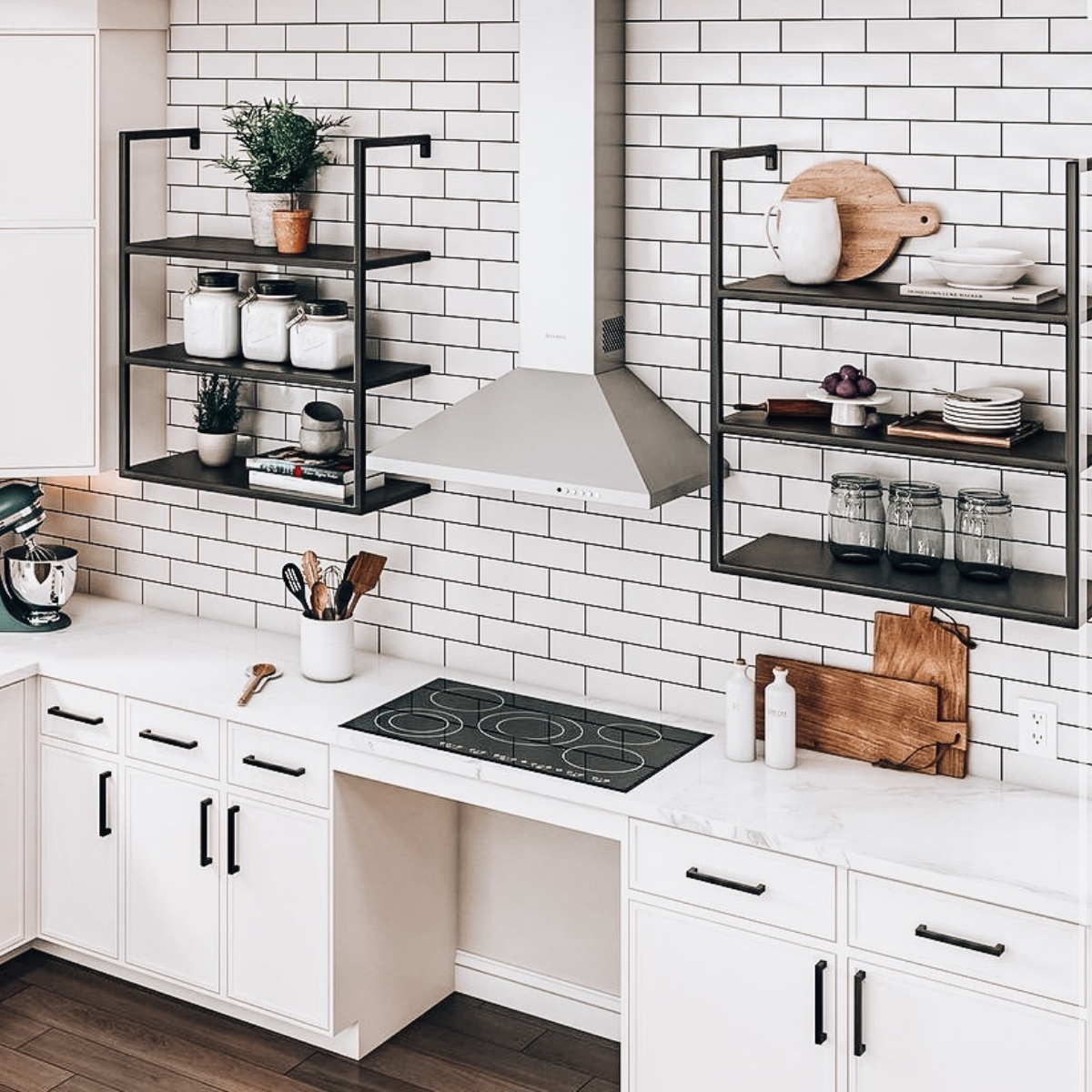
Most kitchen renovations start with the range. The oven gets picked, the cooktop gets picked, and the hood above it gets an afterthought's worth of attention, usually whatever matches the cabinet finish. That order is backwards. The hood is the appliance doing the hardest, least visible work in your kitchen, and getting it wrong means living with grease film on your cabinets, lingering odours, and a system that can't keep up with the range you just spent thousands on. Before you fall in love with a range, figure out the ventilation first. Give Avenue Appliance a call. We promise it'll save you a headache later.
Why the Hood Should Be Chosen Before the Range
A range hood has to be sized and selected around the heat output of your cooktop, not the other way around. A 48-inch professional range with six burners and a griddle produces far more heat, smoke, and airborne grease than a standard 30-inch electric cooktop, and it needs a hood built to match that output. If you buy the range first and shop for a hood after, you're often stuck retrofitting a duct run or settling for a hood that's undersized for the job. Start with the hood, and everything else you buy for the kitchen falls into place around it instead of getting bolted on after the fact. This is the first thing we talk through with anyone shopping for kitchen appliances in Edmonton, because it changes what makes sense to buy next.
How to Size CFM for Your Cooktop
CFM, or cubic feet per minute, measures how much air a hood can move. The standard rule of thumb is 100 CFM for every 10,000 BTUs of cooking power, though high-output gas ranges and grills often call for more. A typical 36-inch gas range might need 600 to 900 CFM, while a smaller electric cooktop can often get by with 400. Undersizing is the most common mistake we see. A hood that looks right but moves too little air will leave smoke hanging in the kitchen and send grease particles onto your cabinets and ceiling over time.
Edmonton Building Code and Makeup Air Requirements
Once a range hood moves past a certain CFM threshold, typically around 400 CFM under the Alberta Building Code as adopted locally, makeup air becomes mandatory. Makeup air systems replace the volume of conditioned indoor air that a powerful hood exhausts outside, preventing negative pressure that can backdraft a furnace or water heater and pull in cold outside air through every gap in the house. This isn't optional paperwork. It's a safety requirement, and it's one of the reasons a proper installation needs a licensed contractor who understands both the appliance and the code. Our team is always happy to walk you through what your specific range and hood combination will require, no pressure, just an honest conversation.
Ducting Realities in Edmonton Homes
Edmonton's housing stock includes a lot of older homes where duct runs weren't designed with a powerful range hood in mind. Long horizontal runs, tight turns around joists, and exterior walls built for a cold climate all affect how well a duct performs. Every 90-degree elbow in a duct run reduces airflow, and a duct that's too long or too narrow can make even a well-chosen hood underperform. Insulated rigid metal ducting, kept as short and straight as possible, with a properly sized exterior cap that won't ice over in January, makes the difference between a hood that works on paper and one that works in your kitchen. This is exactly where a local perspective matters more than a spec sheet, since a duct plan that works fine in a newer infill can be a real problem in a 1970s bungalow.
Chimney, Under-Cabinet, Insert, and Downdraft Compared
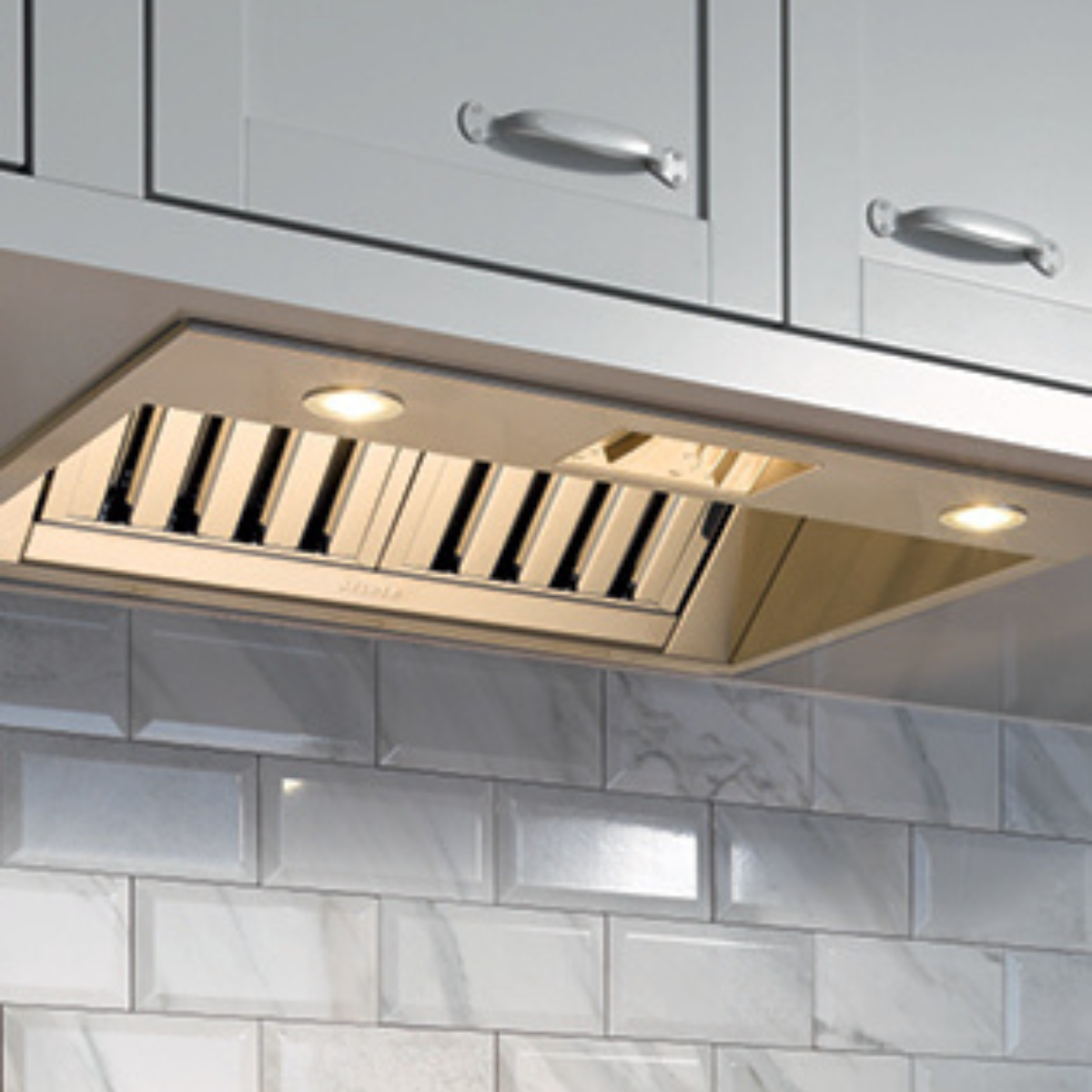
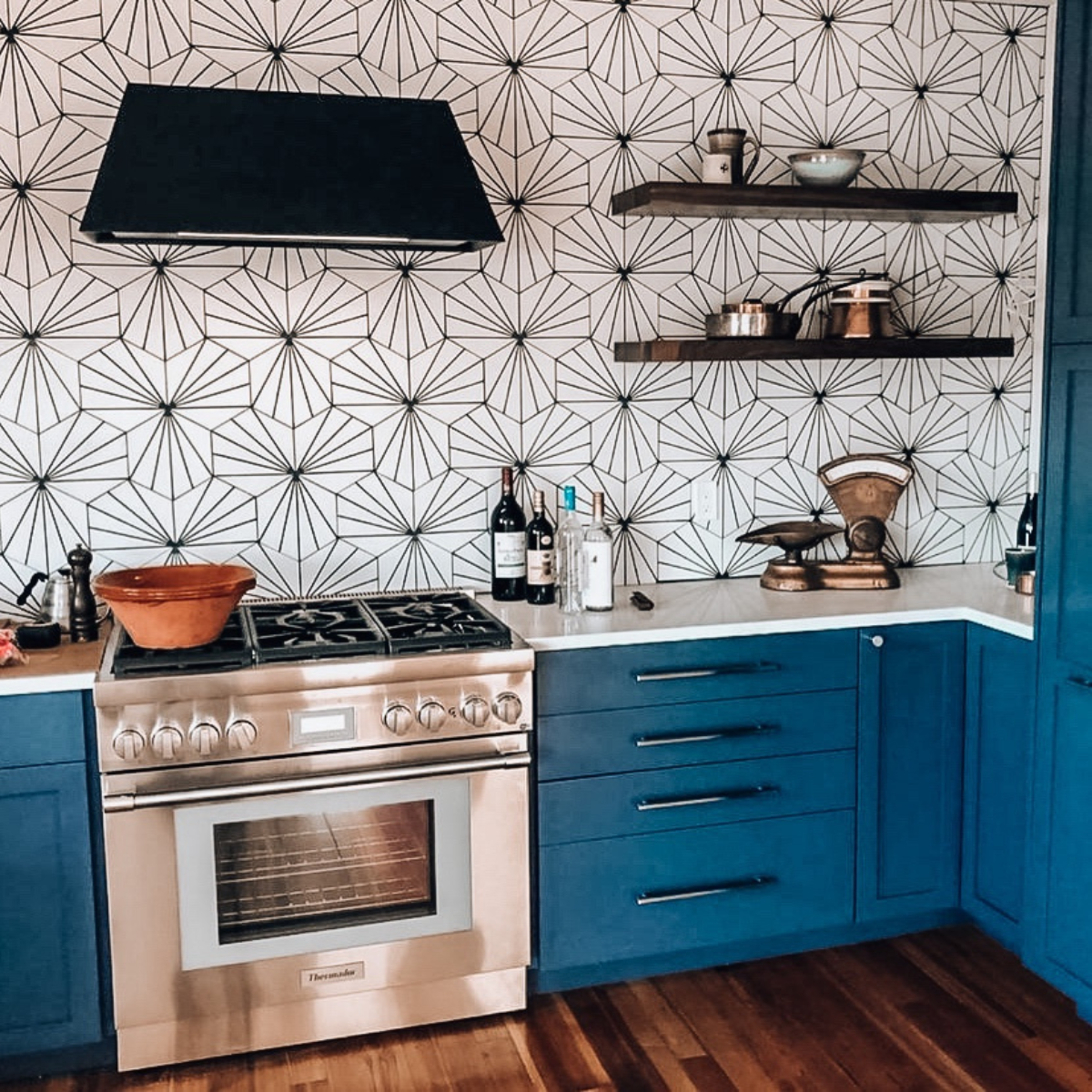
Chimney hoods mount to the wall or ceiling and offer the strongest performance along with a visible design statement, which is why they're popular in kitchens built around a range as a centrepiece. Under-cabinet hoods tuck beneath existing cabinetry and suit kitchens where a low profile matters more than a bold look. Insert hoods hide behind a custom wood or panel exterior, letting the cabinetry designer control the look while the mechanics stay out of sight. Downdraft systems rise from behind the cooktop and pull air down and out, a practical option on an island where a hanging hood isn't feasible, though they trade some efficiency for that flexibility. Brands like Faber build chimney and insert hoods with genuinely strong CFM ratings and quiet operation, which matters if you're cooking daily and don't want a wind tunnel over your head while you're trying to hear the timer on your bread. If you're comparing high end kitchen appliances in Edmonton, the hood deserves the same scrutiny you'd give the range itself.
Baffle vs. Mesh Filters and What Recirculating Really Means
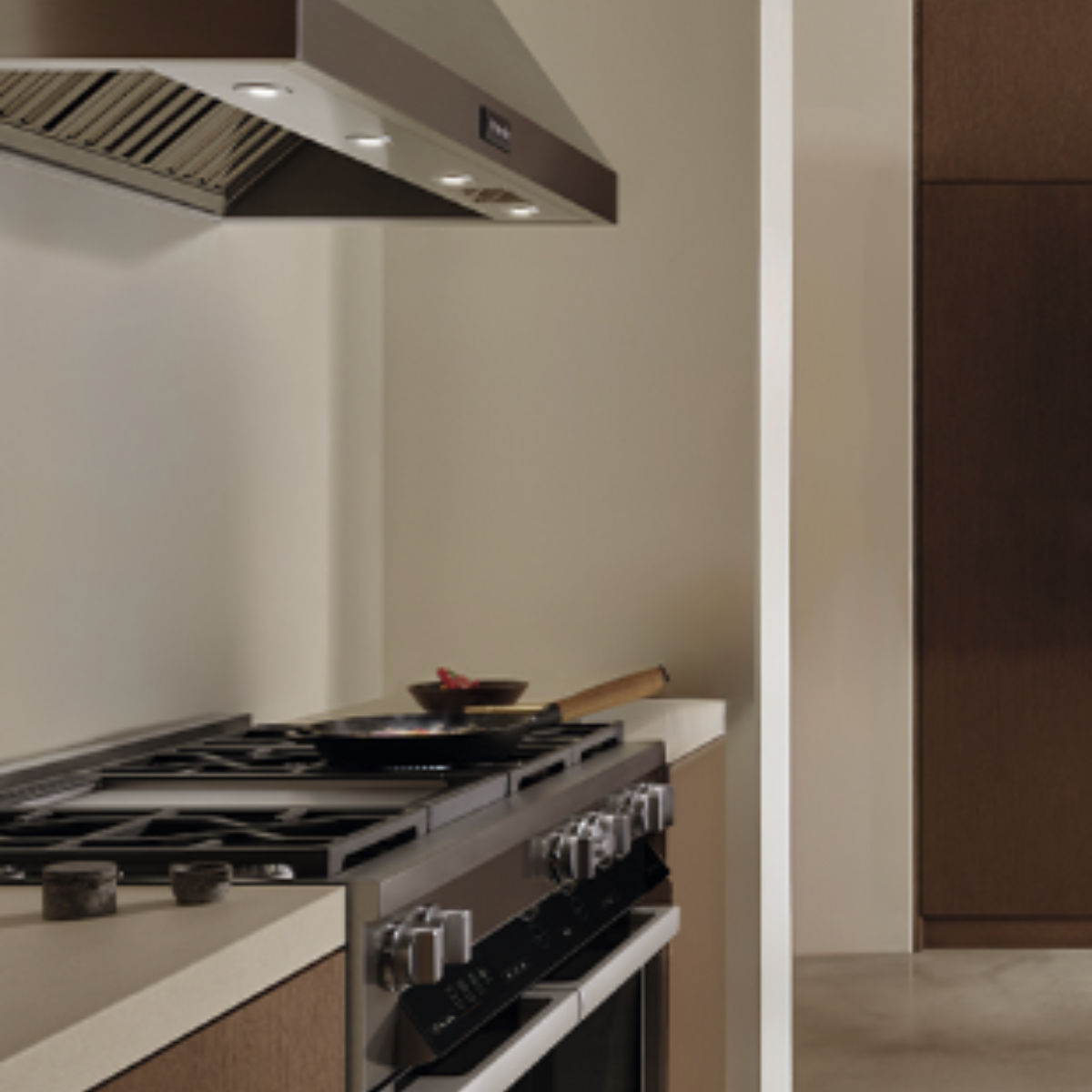
Baffle filters use angled metal panels to force grease-laden air to change direction, dropping grease out of the airflow through centrifugal force, and they're standard on most higher-end hoods because they're effective and dishwasher safe. Mesh filters use layered screens to trap grease directly, which works but tends to load up faster and needs more frequent cleaning to stay effective. Recirculating hoods, sometimes called ductless, pull air through a charcoal filter and return it to the kitchen instead of venting outside. They're sometimes the only option in a condo or a kitchen where exterior venting isn't possible, but they don't remove heat or humidity the way a true vented hood does, and charcoal filters need regular replacement to keep working. If you have any way to vent outside, it's almost always worth it.
What to Ask Before You Buy
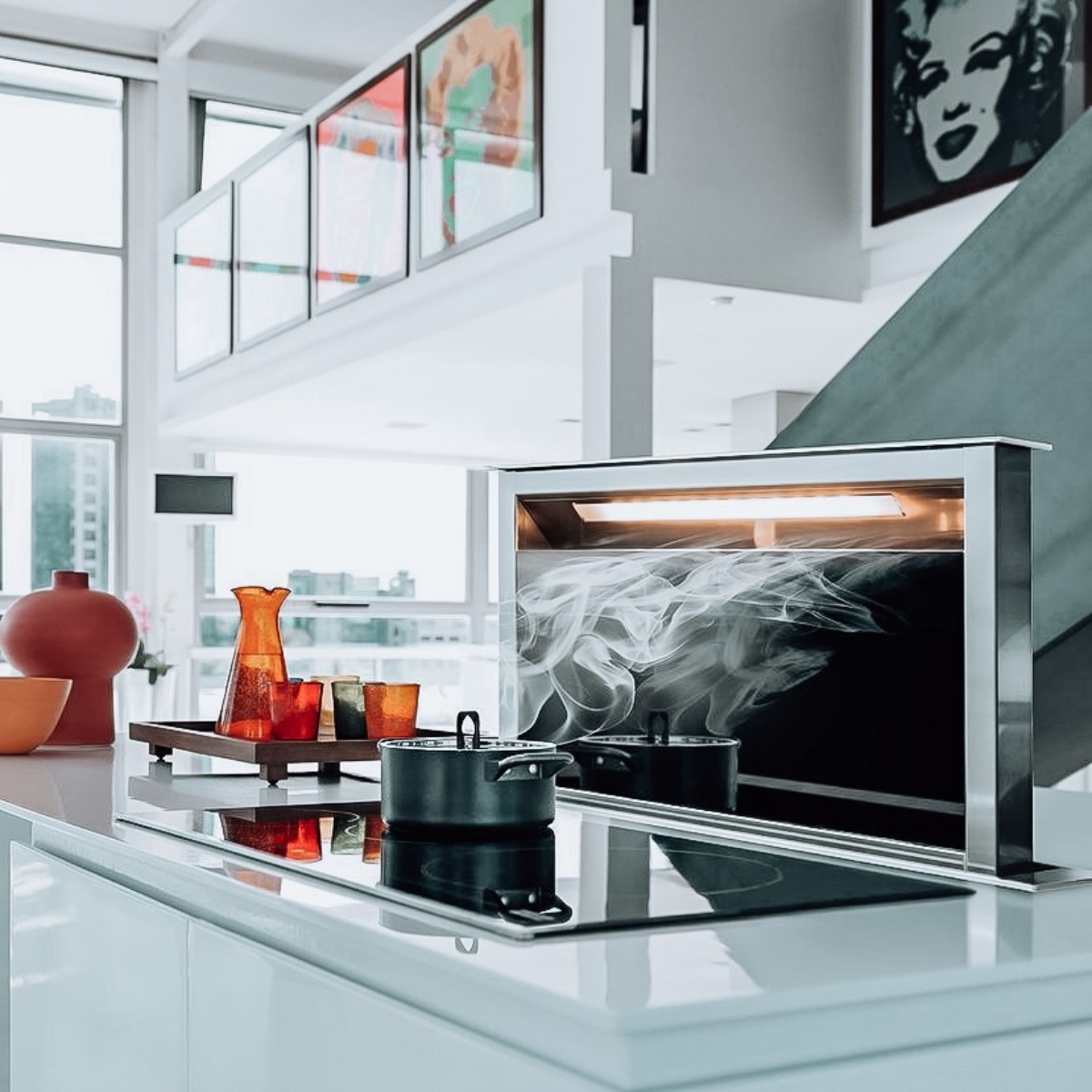
Before choosing a hood, ask what CFM your cooktop actually requires, not what looks proportionate to the appliance. Ask whether makeup air is required for that CFM level in your home. Ask about the actual duct run from the hood location to the exterior, including every turn. Ask about sound ratings, measured in sones, since a powerful hood that's unbearably loud gets used less often, which defeats the purpose. And ask whether the brand you're considering, whether that's Faber for ventilation performance, Bosch for quiet reliability, or Bertazzoni for a hood that matches a statement range, actually fits the kitchen you have rather than the one in a showroom. Anyone shopping for appliances in Edmonton should walk away from that conversation with real numbers, not just a look they liked.
Getting ventilation right is the kind of decision that pays off every single day you cook, and it's worth getting a second set of eyes on before you commit to a range. Drop by Avenue Appliance. We'd love to help you get this part right.