Spec sheets are everywhere. Every dishwasher, range, hood fan, and refrigerator comes with one, and they're packed with numbers that look precise and technical and, honestly, a little intimidating. Most shoppers scroll past them or hand them to a salesperson and hope for the best. But understanding what those numbers actually mean can save you from a renovation disaster, a nasty surprise on your utility bill, or a brand-new appliance that simply doesn't fit the opening you built for it. If you're shopping for kitchen appliances in Edmonton and want to walk in feeling prepared, this guide is for you. The team at Avenue Appliance is always happy to help you work through the numbers. Get in touch and we'll walk you through it.
Why Spec Sheets Trip Up Even Savvy Buyers
Spec sheets weren't written for homeowners. They were written for builders, designers, and contractors who already speak the language. The result is a document full of measurements, ratings, and certifications that most people have never had to interpret before. Even buyers who've done their research can get tripped up by a number that sounds straightforward but isn't, or a certification that looks impressive without any context to make sense of it. The good news is that once you know what to look for, spec sheets stop being overwhelming and start being genuinely useful tools for comparison shopping.
Cutout Dimensions vs. Overall Dimensions
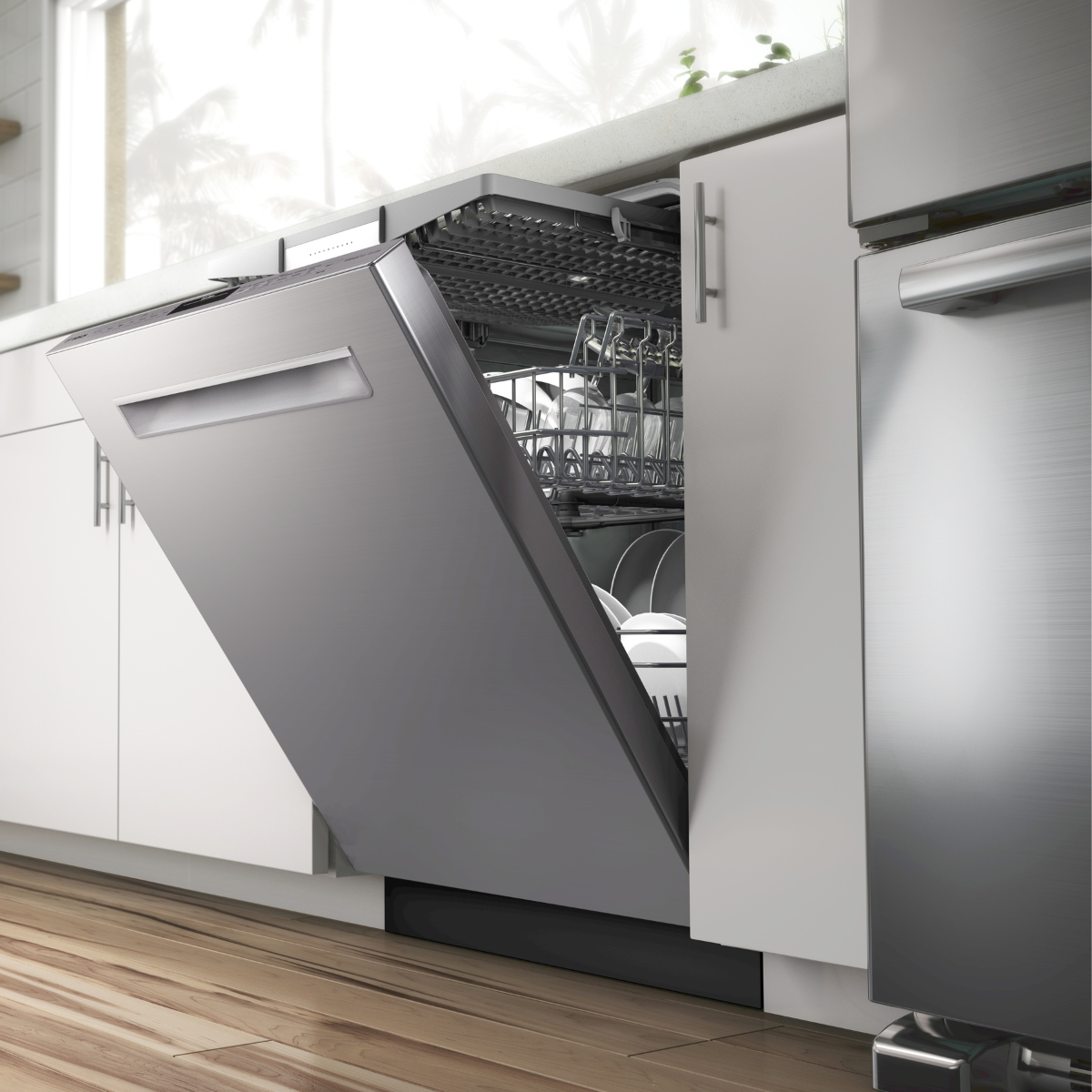
This is the one that catches people most often, and it's worth repeating until it sticks. Every built-in or slide-in appliance has two sets of measurements: the cutout dimensions, which is the opening the appliance needs to slide into, and the overall dimensions, which is the full physical size of the unit itself. These numbers are not the same. Confusing them can mean your new dishwasher won't slide in, or your range overhangs the cabinetry on either side. Brands like Bosch, for example, list both sets of measurements clearly in their spec documentation precisely because this mix-up is so common. Before you fall in love with any appliance, write down the cutout dimensions and take them to your kitchen with a tape measure.
Electrical and Gas Specifications Explained
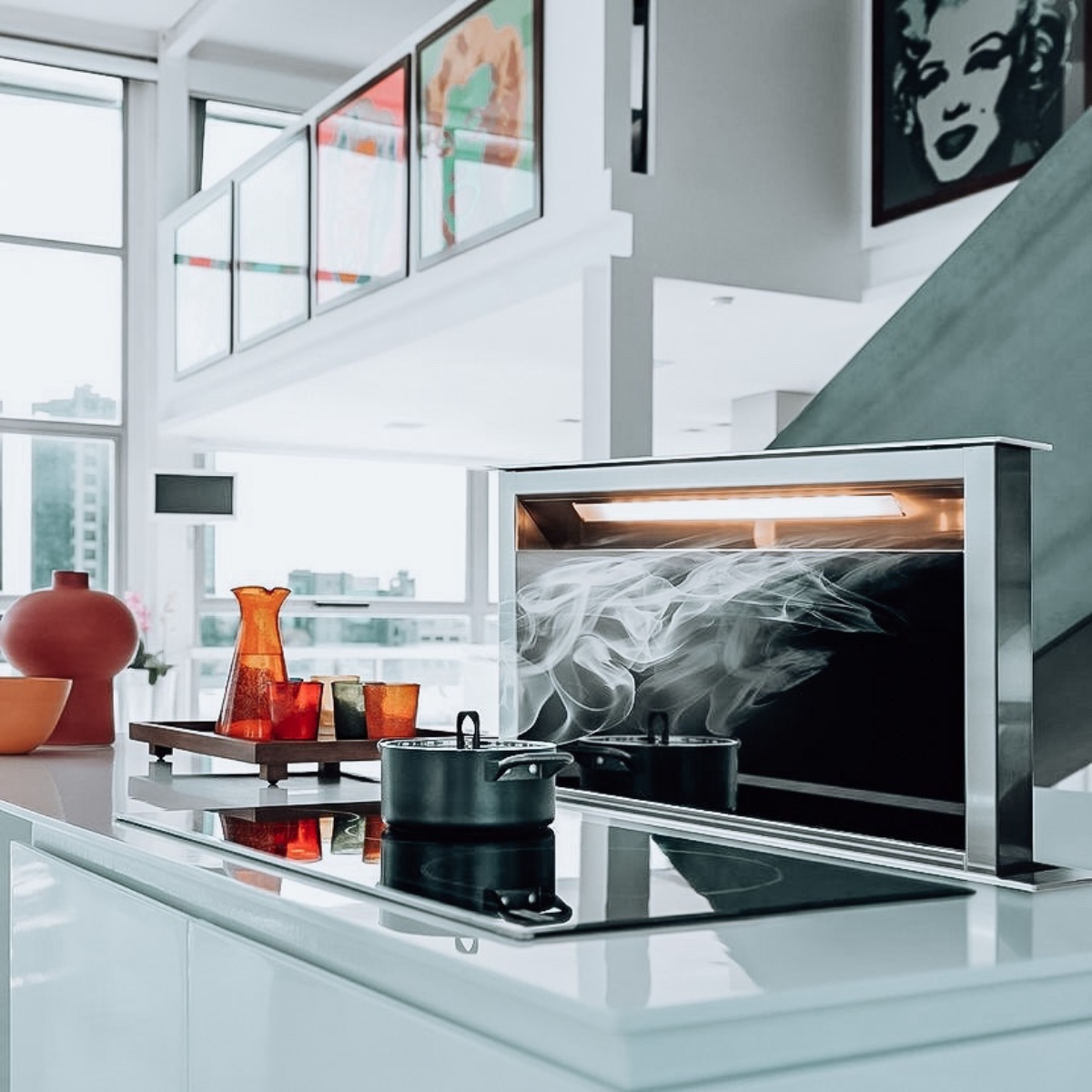
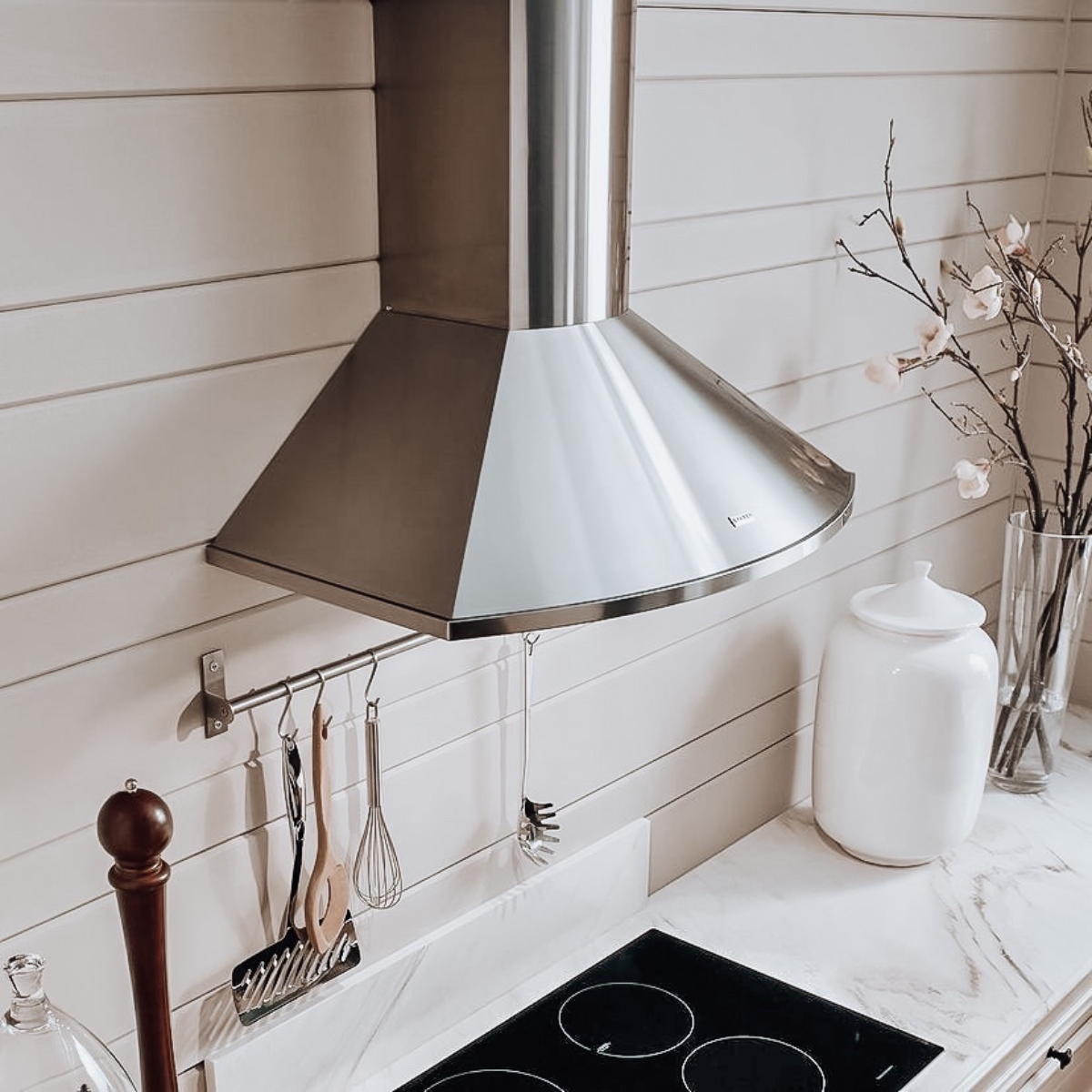
Appliance specs list voltage (120V or 240V), amperage, and circuit requirements. This matters because older Edmonton homes may not have the wiring to support a high-powered induction range or a professional-style double wall oven without an electrical upgrade first. For gas appliances, specs include BTU output, gas type (natural gas versus propane), and connection size. Faber hood fans, which appear in a lot of higher-performance Edmonton kitchens, also list CFM (cubic feet per minute) ratings alongside the electrical specs, because the ventilation system has to be sized to match the cooktop below it. If you're uncertain whether your home can handle a specific model, an electrician or gas fitter can confirm that before you commit to buying.
Noise Ratings in Plain Language

Sound levels on spec sheets are measured in decibels, noted as dBA. The lower the number, the quieter the appliance. For dishwashers especially, this matters a lot, particularly in open-concept spaces where sound carries right into the living room during a dinner party. Bosch dishwashers are well known for their low dBA ratings, with some models running at 38 dBA or below, which is quieter than a normal conversation. Asko dishwashers also perform exceptionally well in this area. As a general guide: under 45 dBA is quiet enough that you'll barely notice it's running, and above 55 dBA will be clearly audible.
Energy Star and CEE Tier Ratings and What They Cost You Annually
Energy Star certification means an appliance meets minimum federal energy efficiency standards. CEE (Consortium for Energy Efficiency) tiers go a step further, with Tier 1, 2, and 3 designations indicating progressively better performance. This matters for kitchen appliances in Edmonton because energy costs compound over time. A Tier 3 dishwasher or refrigerator may cost more upfront, but the annual savings can be meaningful over a 10 to 15-year appliance lifespan. Energy Star-certified appliances are required to list estimated annual energy consumption in kWh right on the spec sheet, so you can do the math based on current Edmonton utility rates before you buy.
Water Usage Specs and What They Mean on Your Edmonton Utility Bill
Water consumption specs are listed in litres per cycle for dishwashers and gallons per year for refrigerators with ice makers or water dispensers. Asko is one of the brands that consistently delivers very low per-cycle water usage, which adds up meaningfully over hundreds of cycles a year. Given EPCOR rates in Edmonton, this is worth factoring in, especially for larger households running the dishwasher every day. Compare the litres-per-cycle figure between models before you decide, and ask the team at the best appliance store in Edmonton to help you understand which options offer the best efficiency for your specific usage patterns and household size.
How to Use a Spec Sheet Before You Set Foot in a Store
The most useful thing you can do before visiting a showroom is write down three things: the cutout measurements for each appliance you're replacing, your circuit capacity, and a rough sense of your monthly energy or water budget. Then pull up spec sheets online for the brands you're considering, particularly Bosch, Asko, and Faber if you're shopping in the premium or luxury segment. That prep work turns a showroom visit into a focused conversation rather than a two-hour starting-from-scratch experience. The team at Avenue Appliance in Edmonton loves working with buyers at every stage of the process, and a little prep work like this just means you'll leave with exactly what you're looking for that much sooner.
Shopping for kitchen appliances in Edmonton is a much more confident experience once you understand what the numbers on a spec sheet are actually telling you. Whether you're replacing a single appliance or outfitting a full kitchen renovation, those documents give you everything you need to compare models and make smart decisions. Stop by Avenue Appliance on Whyte Avenue or reach out to our team today. We'd love to help you find the right fit for your home.