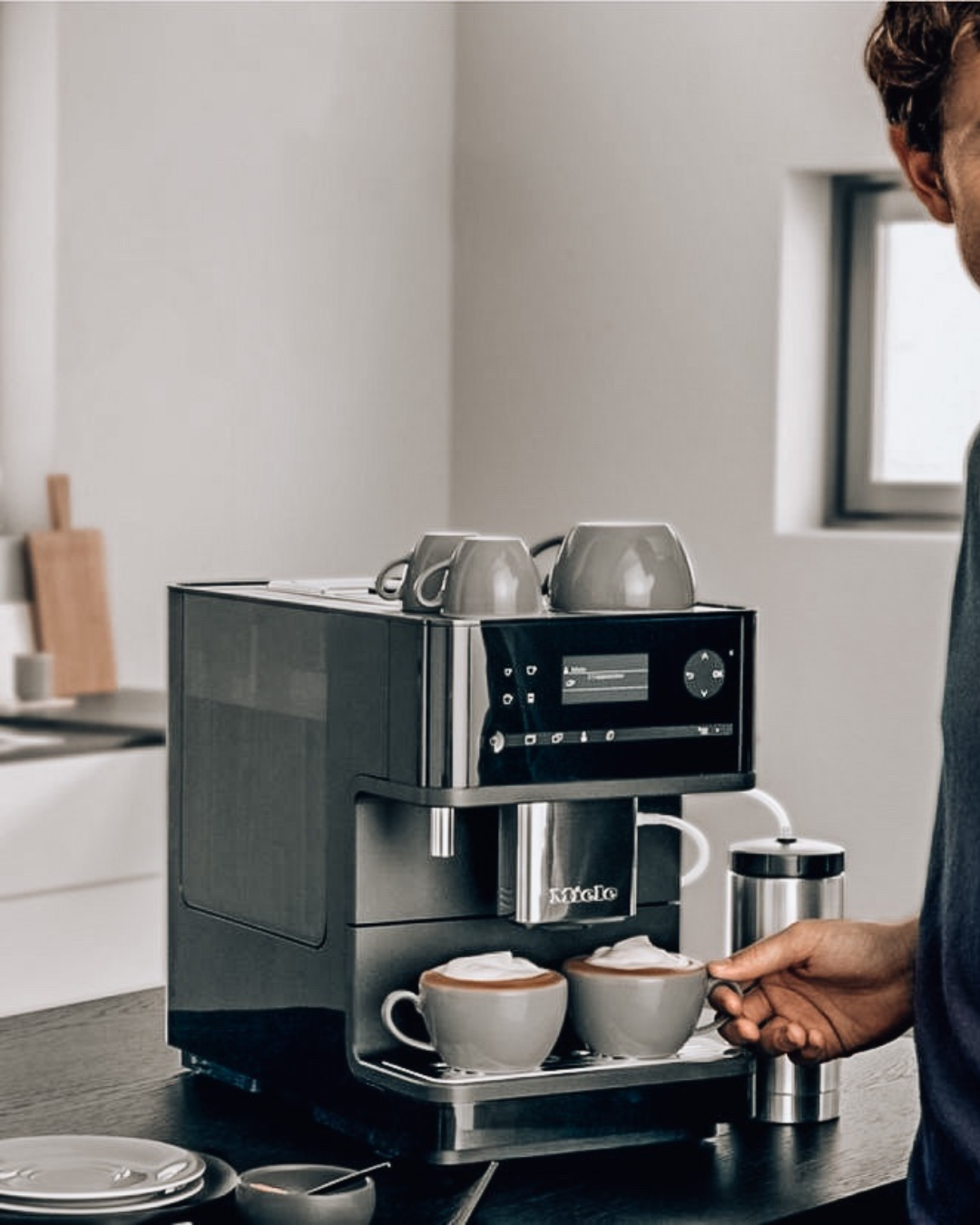
Espresso at home used to mean a basic countertop machine and a bit of trial and error. Now it means choosing between a fully built-in coffee system plumbed into your cabinetry or a countertop machine you can set up in an afternoon. Both make excellent coffee. The right one for you depends on your kitchen, your habits, and how much you actually want to think about coffee on a Tuesday morning. If you're comparing appliances in Edmonton for your next kitchen project, this is one of those decisions worth getting right the first time. Reach out to Avenue Appliance and we can walk you through both options.
Why This Decision Comes Before You Pick a Brand
Built-in and countertop espresso machines aren't just different price points. They're different commitments. A built-in system gets installed into your cabinetry, tied into your plumbing in most cases, and becomes a permanent fixture of your kitchen the way a wall oven or a range does. A countertop machine, on the other hand, lives wherever you put it and can move, get upgraded, or get replaced without touching your cabinetry at all.
That difference matters more than which brand looks nicest in the showroom. If you're mid-renovation and still finalizing your layout, this is the moment to decide, because a built-in unit needs to be planned into your cabinetry from the start. Trying to retrofit one in later usually means redoing part of your kitchen.
What a Built-In Coffee System Requires From Your Kitchen
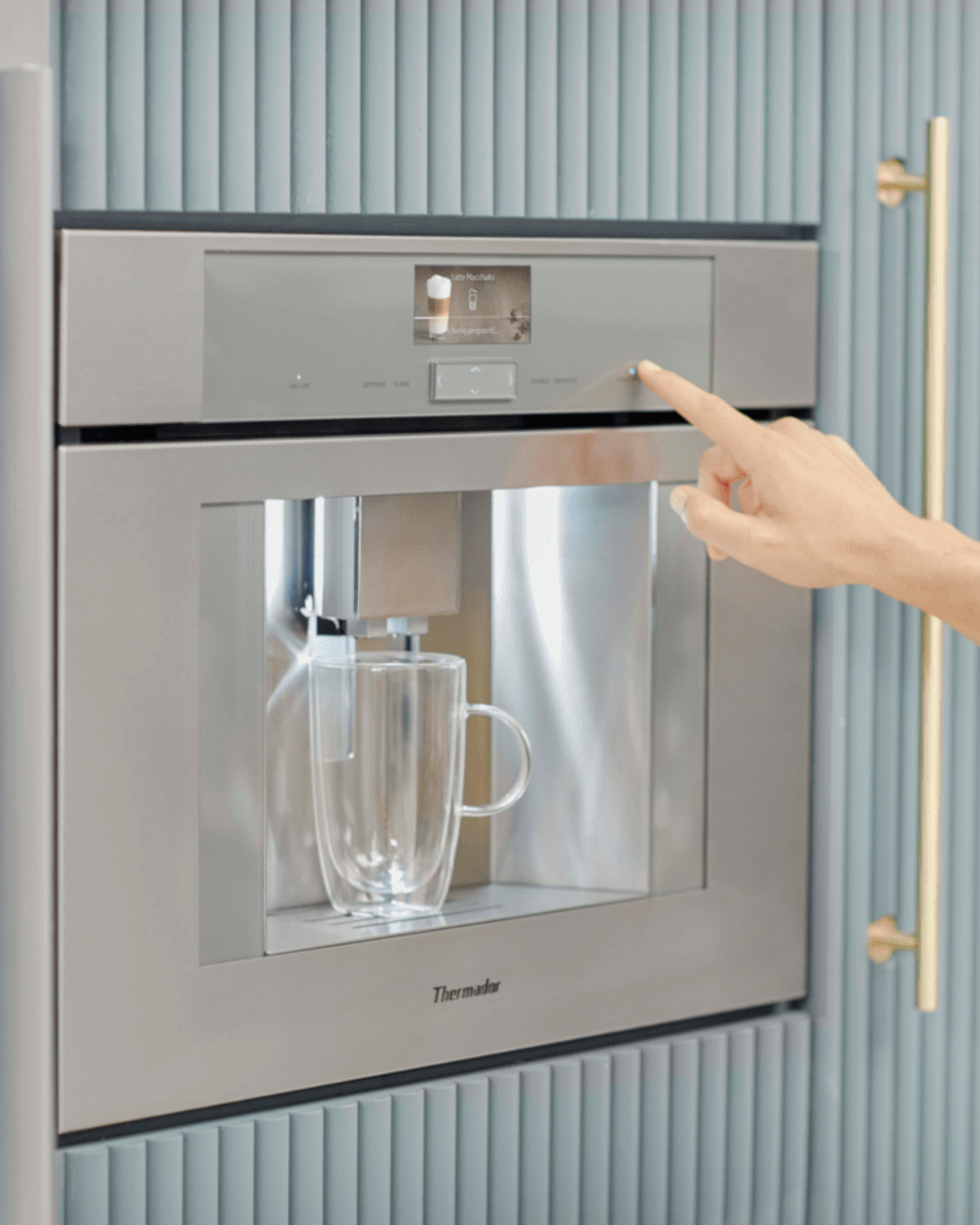
A built-in coffee system needs a dedicated cabinet opening, typically sized to the manufacturer's exact specifications, along with ventilation space around the unit so it doesn't overheat. Most built-in systems also require a water line run directly to the machine, along with a drain line for waste water, which means your plumber needs to be involved during the rough-in stage of your renovation, not after your cabinets are already installed.
Electrical requirements matter too. Built-in machines usually need a dedicated circuit, so this is a conversation to have with your electrician early, alongside your cabinet maker and plumber. Miele's built-in coffee systems are a popular choice for Edmonton kitchens because they integrate cleanly into cabinetry and pair well with the rest of a coordinated kitchen build. If a built-in system is on your wish list, loop us in during the planning phase so we can help make sure your cabinetry specs match the unit before anything gets installed.
Where a Countertop Espresso Machine Makes More Sense
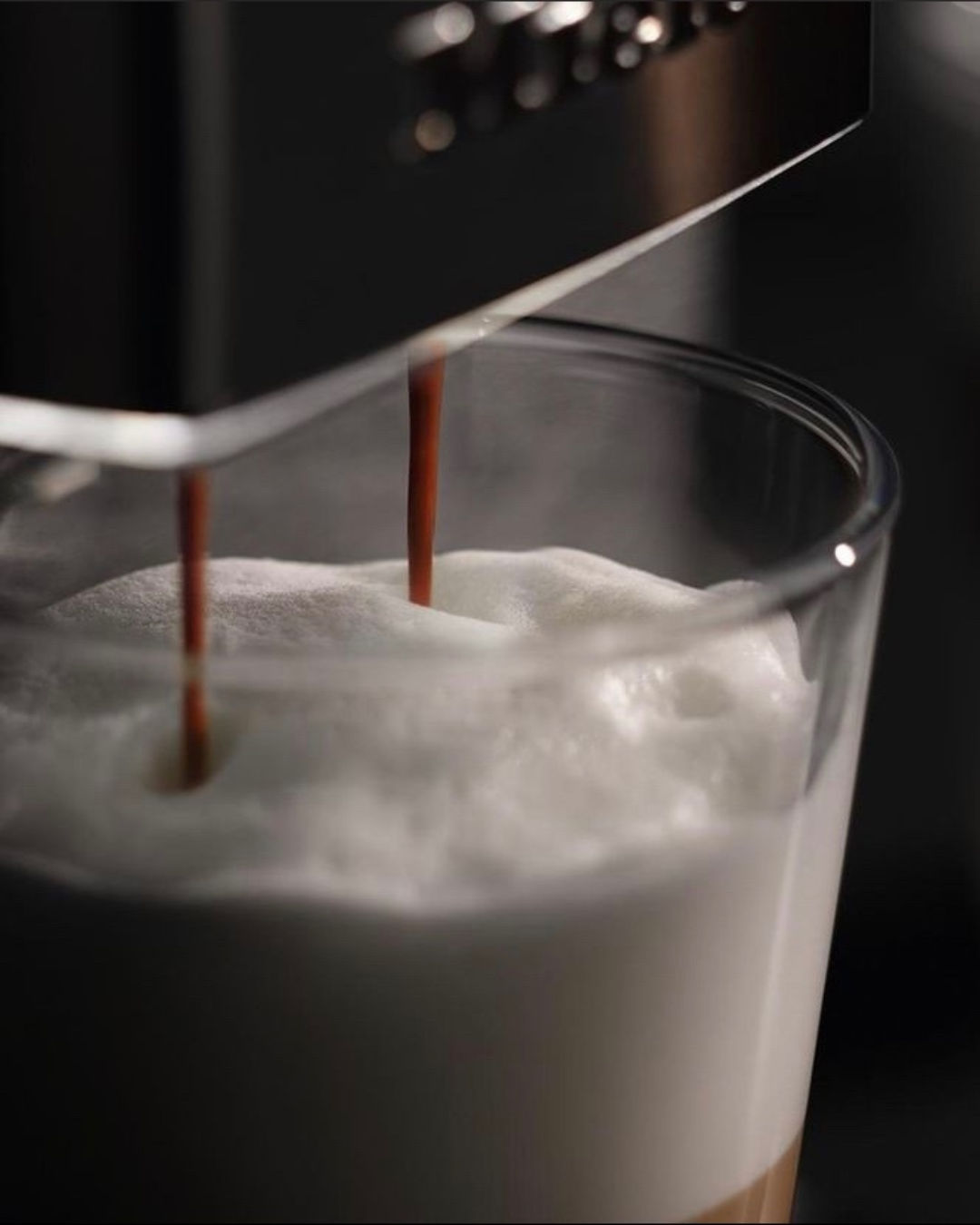
Not every kitchen needs, or has room for, a built-in system. If you're renting, working with a smaller kitchen, or simply not ready to commit to a permanent fixture, a countertop espresso machine gives you nearly the same coffee quality without the plumbing and cabinetry requirements.
Countertop machines also make sense if your coffee habits might change. Maybe you're experimenting with espresso for the first time and aren't sure yet how much use it will actually get. A quality countertop machine lets you figure that out before committing to a built-in installation that's harder to undo. They're also the practical choice for condo owners and renters, since they need nothing more than a standard outlet and a bit of counter space.
Automatic Frothers Versus Manual Steam Wands
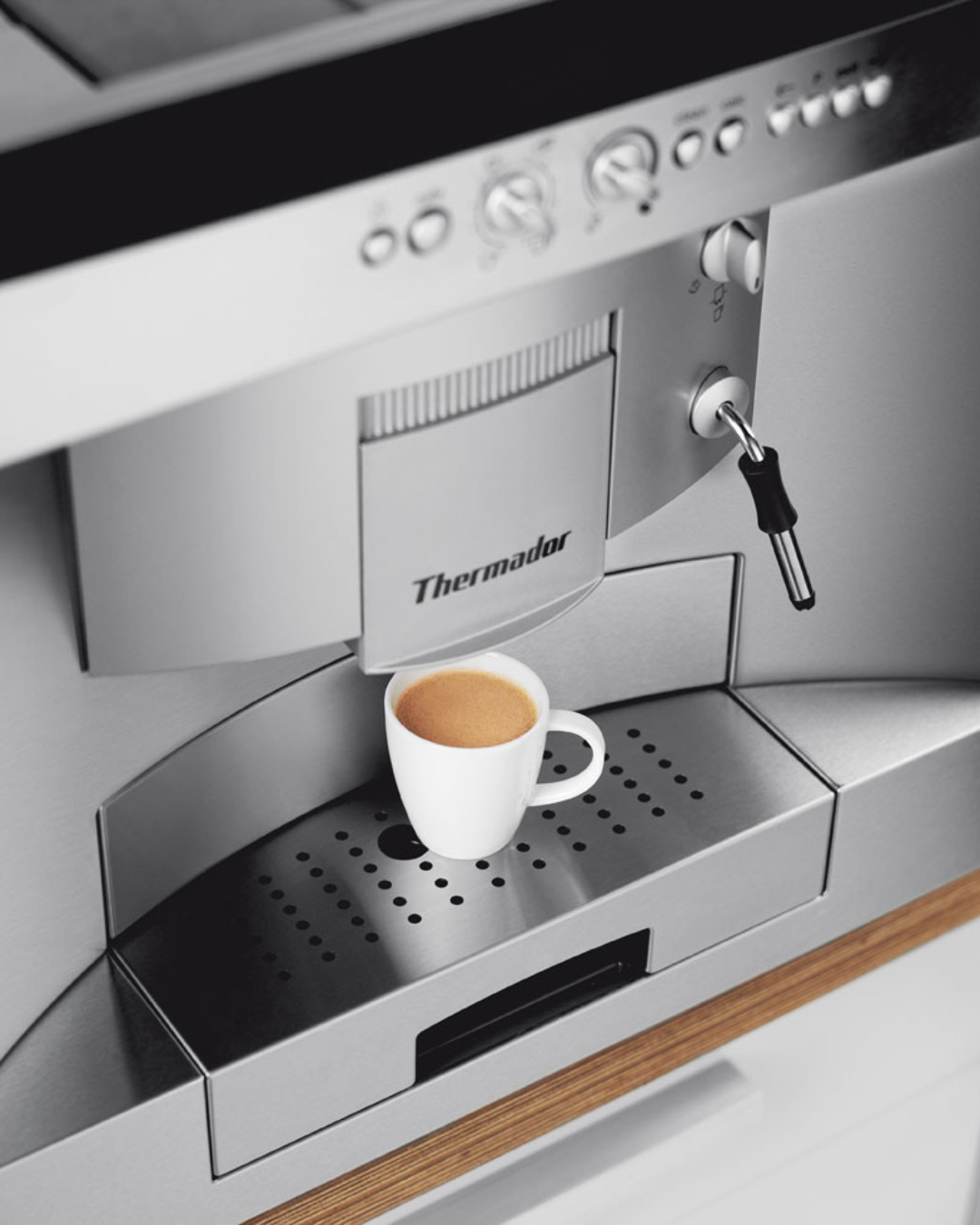
Once you've settled on built-in or countertop, the next decision is how hands-on you want your milk frothing to be. Automatic frothers use a milk container and a built-in system to steam and dispense frothed milk at the touch of a button. It's fast, consistent, and requires almost no skill to use well.
Manual steam wands, by contrast, give you full control over texture and temperature, which is exactly what serious home baristas want. Getting good microfoam takes practice, but the payoff is a level of control an automatic frother simply can't match. If you're buying for a household where multiple people will use the machine and coffee preferences vary, an automatic frother is usually the lower-friction choice. If you or someone in your home genuinely enjoys the process of making espresso, a manual wand is worth the learning curve.
Frequently Asked Questions
Do built-in espresso machines need to be connected to plumbing?
Most do. They typically require a dedicated water line and a drain line, which means your plumber needs to be involved during the rough-in stage of your renovation rather than after cabinets are installed.
Can I install a built-in coffee system in an existing kitchen without renovating?
It's possible, but difficult. Built-in systems need a cabinet opening sized to the manufacturer's specifications, so retrofitting one into finished cabinetry usually means modifying or replacing part of it.
Is a countertop espresso machine good enough for daily use?
Yes, especially for smaller households or lighter daily use. Countertop machines are a practical, lower-commitment option and can produce coffee quality very close to a built-in system.
How does Edmonton's water affect my espresso machine?
Edmonton's tap water is moderately hard, which contributes to mineral buildup over time. Using filtered water and descaling regularly, whether your machine is built-in or countertop, helps protect internal components and extend its lifespan.
What Edmonton's Water Hardness Means for Maintenance
Edmonton's tap water is considered moderately hard, which means mineral buildup is something every espresso machine owner here needs to plan for, regardless of which type you choose. Built-in systems connected directly to a water line benefit from an inline water filter, which reduces scale buildup inside the machine's internal components and extends its lifespan considerably.
Countertop machines need the same attention, just through a different process. Most use removable water reservoirs, so regular descaling and filtered water pitchers or built-in filtration cartridges go a long way toward keeping the machine running well. Skipping maintenance in either case tends to show up as slower brew times and a shorter machine lifespan, so it's worth building descaling into your regular kitchen routine rather than waiting until something goes wrong.
Matching the Machine to How Much Coffee Your Household Actually Drinks
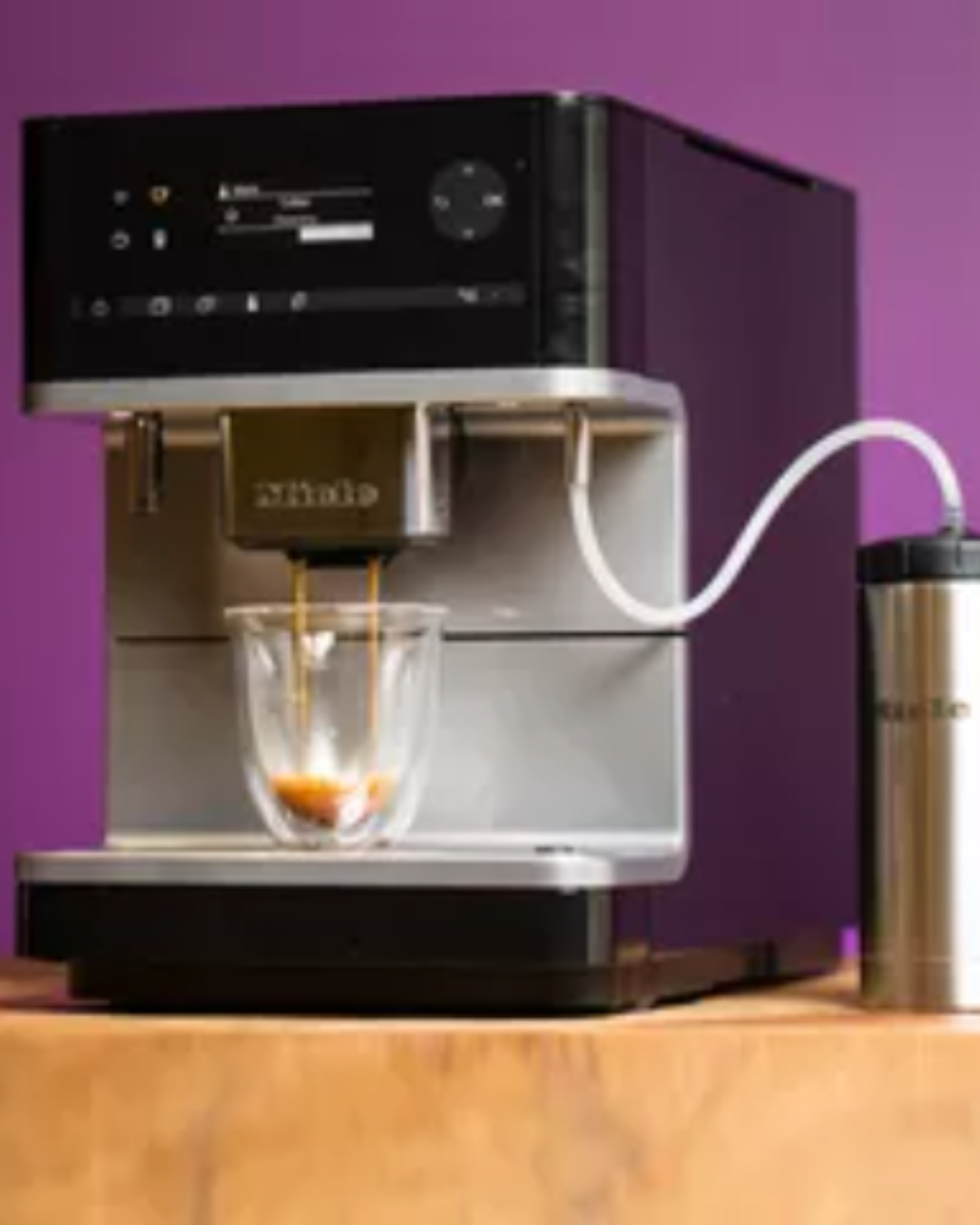
The best espresso machine for your kitchen depends less on features and more on how your household actually drinks coffee. A household of one or two people making the occasional espresso has very different needs than a household where four people all want a coffee before work every single morning.
Built-in systems tend to shine in busier households, since they're built for repeated daily use and can often handle multiple drink types without much fuss. Countertop machines are a great fit for lighter, more occasional use, or for households still figuring out their coffee routine. Come in and talk through your household's coffee habits with us at Avenue Appliance, and we'll help you land on a machine that actually fits how you live, not just how the showroom model looks.