

Your dishwasher just quit mid-cycle, or your fridge is making a noise it's never made before, and now you're standing in the kitchen trying to decide if this is a fifteen-minute fix or the start of a much bigger purchase. It's one of the most common calls we get, and there's no single right answer, but there is a decent way to think it through instead of guessing. If you want a straight answer for your specific machine, give Avenue Appliance a call.
The 50% Rule That Appliance Technicians Actually Use
Most technicians work from a simple guideline: if the repair cost is more than 50% of the price of a new comparable appliance, replacement usually makes more financial sense. A $400 repair on a washer that would cost $900 to replace is a reasonable repair. That same $400 repair on a ten-year-old unit nearing the end of its expected lifespan, on a model that would cost $750 to replace, starts tilting the other way once you factor in that a second repair could show up within a year or two. The rule isn't a strict cutoff, but it's a useful gut check before you commit to a repair bill.
Which Appliances Are Usually Worth Repairing
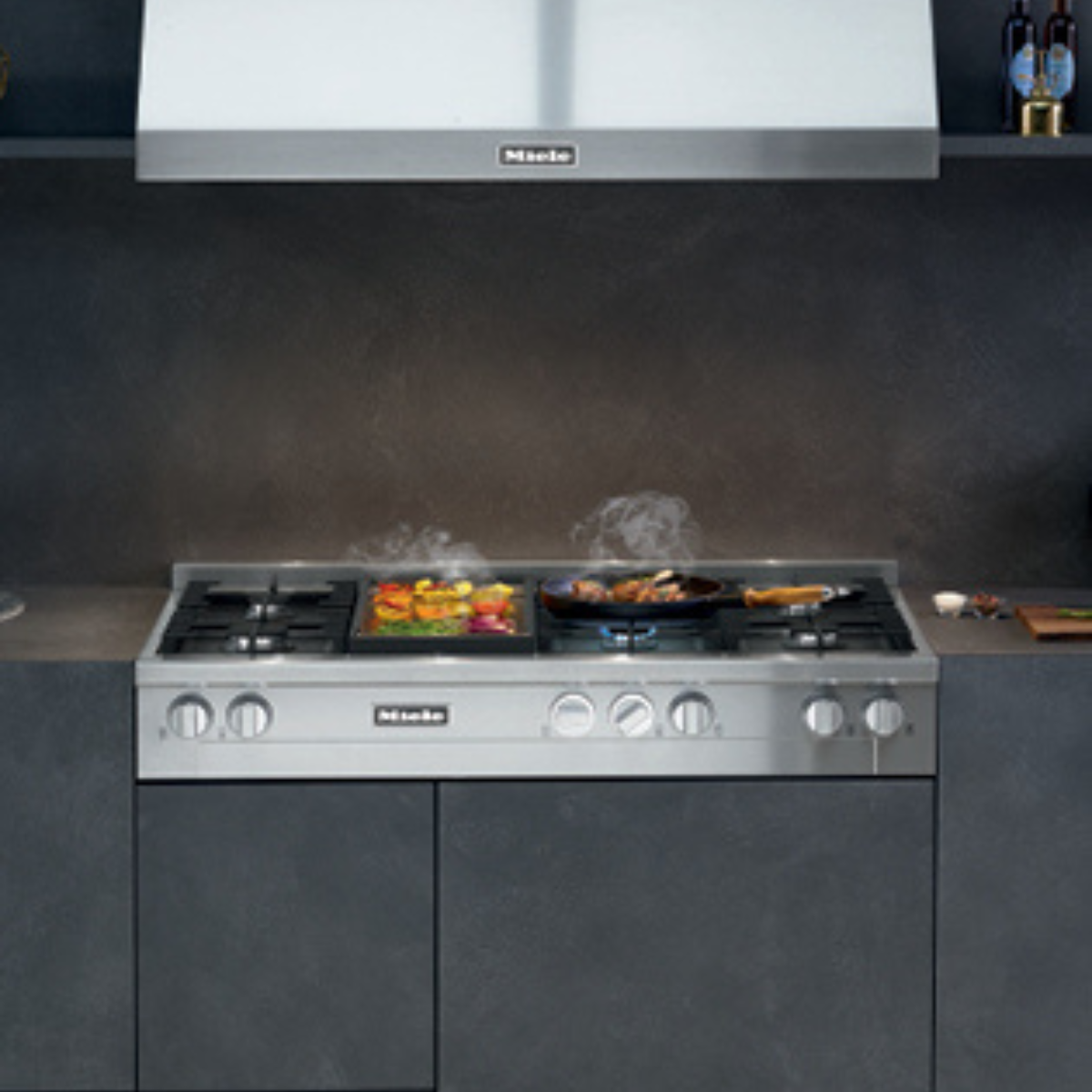
Not all appliances age the same way. Dishwashers and washing machines often have straightforward, well-documented failure points, pumps, motors, and control boards. These are usually worth fixing if the unit is under eight years old. Refrigerators are a mixed bag. A failed compressor on a fridge past the ten-year mark is rarely worth repairing, but a broken ice maker or a bad door seal almost always is. Ranges and cooktops tend to be good repair candidates overall, since the core components are simple and durable. Dryers fall somewhere in the middle, cheap to fix early on, but heating elements and drums get pricier to replace as the unit ages. The honest answer changes appliance by appliance, which is part of why a quick call to someone who knows the parts and the pricing saves you from guessing.
The Energy Efficiency Calculation Most Homeowners Skip
Here's the part people rarely factor in: an appliance from twelve or fifteen years ago is likely burning through a lot more electricity or water than a current model doing the same job. A newer ENERGY STAR certified dishwasher can use close to half the water of a machine from the mid 2010s, and a modern fridge can draw meaningfully less power than one built even a decade ago. When you're weighing a $500 repair against a $1,400 replacement, it's worth actually running the math on what you'd save in utility costs over the next several years, not just comparing the sticker price of the repair to the sticker price of the new machine. Sometimes that changes the decision entirely.
Parts and Service Availability in Edmonton by Brand
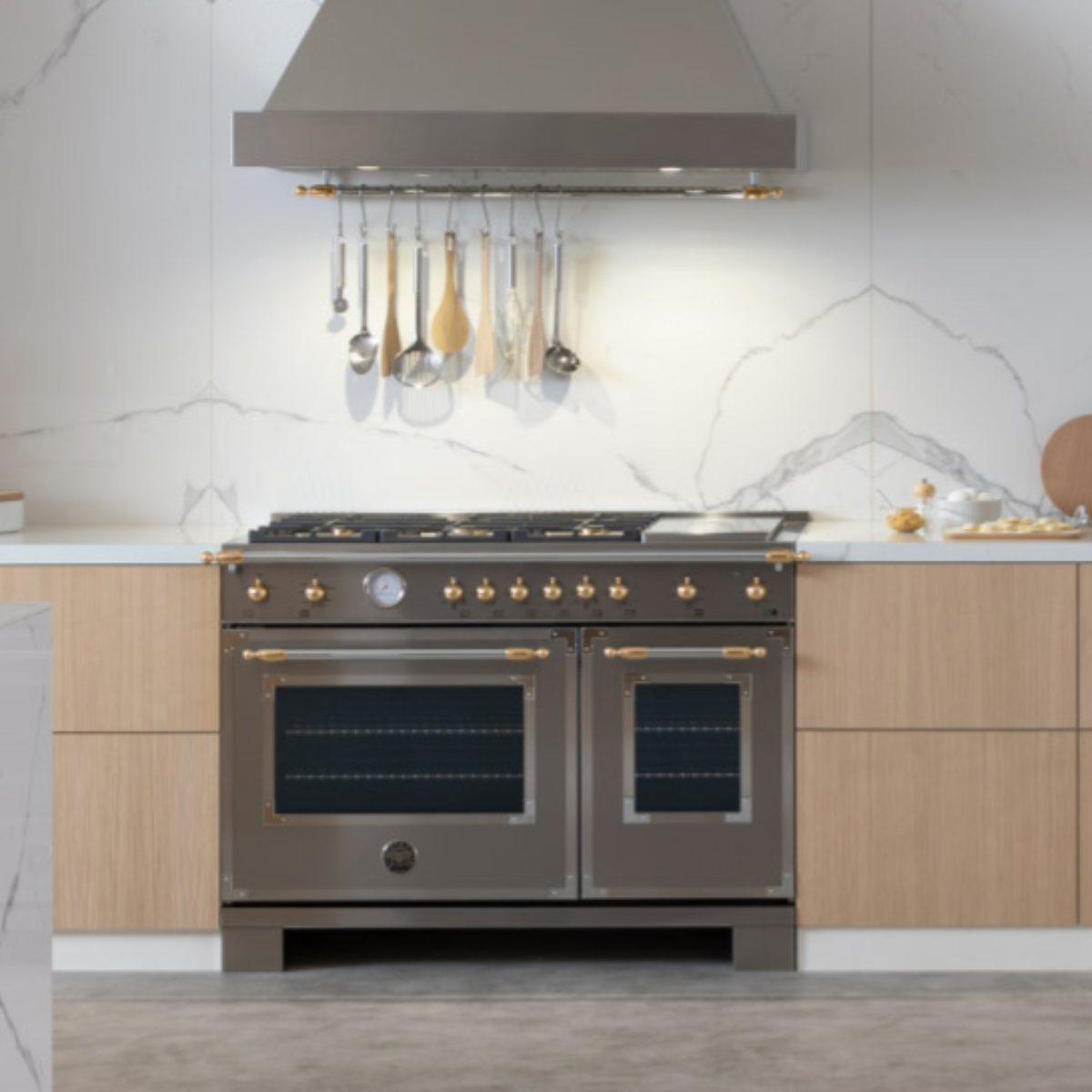
This is the piece a lot of homeowners don't think about until they're already stuck. Some brands have strong local parts and service support in Edmonton, and some don't, and that gap matters enormously when something breaks. Miele and Bosch both maintain solid parts availability and trained local service here, which tends to keep repair timelines and costs predictable. Some brands can take longer to source depending on the specific model and part, which is worth knowing going in, especially on an older unit. Brands with spotty local support can turn what should be a quick fix into a multi-week wait, and that wait itself is a cost, even if the part is cheap once it arrives. If you're not sure how well supported your specific brand and model is here in Edmonton, that's exactly the kind of thing worth asking about before you decide.
What a Broken Appliance Is Really Costing You Each Month

A broken appliance rarely just sits there quietly. A fridge that's struggling to hold temperature is running its compressor harder and burning more power to compensate, often before it fully fails. A dishwasher that's not draining properly can mean hand washing everything in the meantime, which costs you time and water. A dryer that's taking three cycles to dry a load is quietly inflating your power bill every single week it stays broken. None of these show up as one dramatic number, but added together over a few months, the true cost of limping along with a failing appliance is often higher than people expect, and it's worth putting a number on before deciding to keep nursing something along.
A Decision Framework for Your Situation
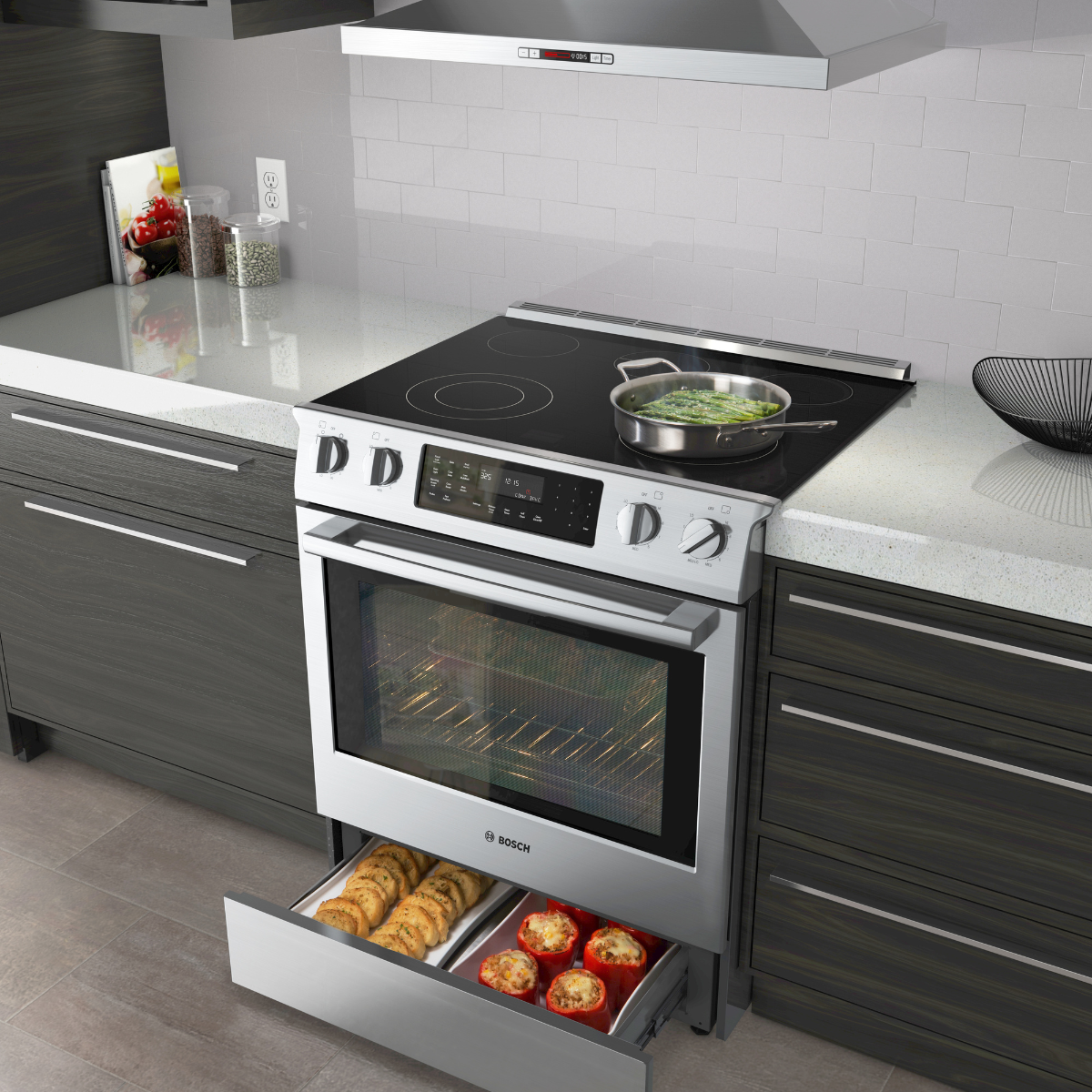
Start with the age of the appliance against its typical lifespan, generally 10 to 13 years for a fridge, 10 to 15 for a range, and around 10 to 13 for a washer or dryer. Then get an actual repair quote rather than guessing, and run it against the 50 percent rule. Factor in how well supported the brand is for parts and service here in Edmonton, since that affects both cost and how long you'll be without the appliance. And be honest about what the current appliance is costing you every month it keeps limping along, in energy use, water use, or your own time. Put those four things together and the decision usually gets a lot clearer than it felt standing in the kitchen staring at a machine that just quit on you.
If you're weighing a repair against a replacement and want an honest read on your specific appliance, reach out to Avenue Appliance. We'll help you figure out which way actually makes sense.