
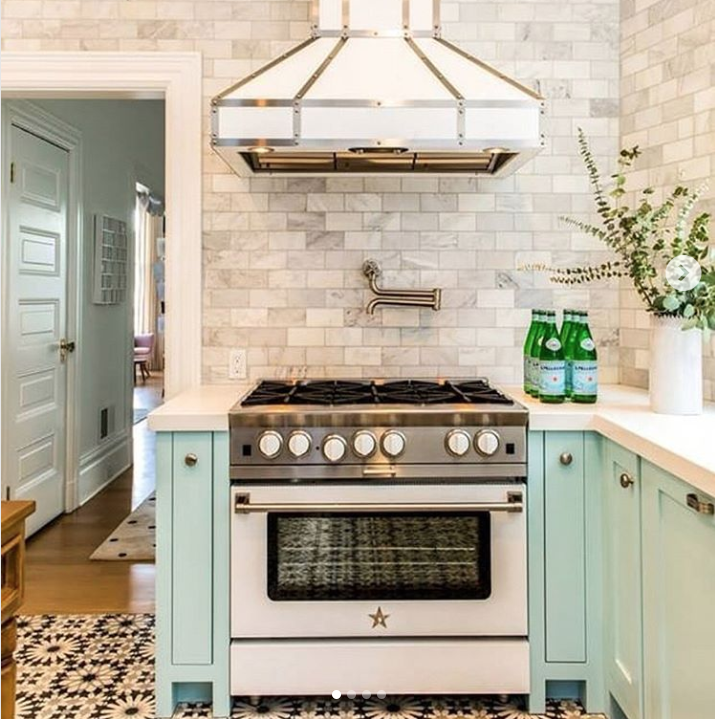
If you have ever stood in front of a BlueStar range and felt that little spark of "okay, but what does 25,000 BTUs actually mean for my Tuesday night dinner?" — you are in good company. We get that question a lot, and honestly, it is one of our favourite things to talk about. Understanding heat output is the key to understanding why BlueStar cooks the way it does, and once it clicks, it is hard to look at a standard residential range the same way again. We love helping people find their perfect match, so reach out to us at Avenue Appliance and let's chat.
What Are BTUs and Why Do They Matter for Home Cooking?
BTU stands for British Thermal Unit, and it is simply the measurement used to describe how much heat a gas burner can produce. The higher the number, the more energy the burner can deliver, and the faster and more powerfully it heats.
To put it in context, most standard residential gas ranges top out somewhere between 9,000 and 15,000 BTUs on their strongest burner. Commercial kitchen equipment, the kind you would find in a professional restaurant, regularly operates between 25,000 and 35,000 BTUs. BlueStar was designed to live in that space between the two, bringing real commercial-grade heat into a home kitchen without asking you to sacrifice style, safety, or everyday livability.
But here is the thing about BTUs that often gets overlooked: raw power is only half the story. The best ranges give you high heat when you need it and genuinely low, precise heat when you need that too. That full spectrum of control is where BlueStar really shines.
BlueStar's High-Output Burner System: Power That Makes a Difference
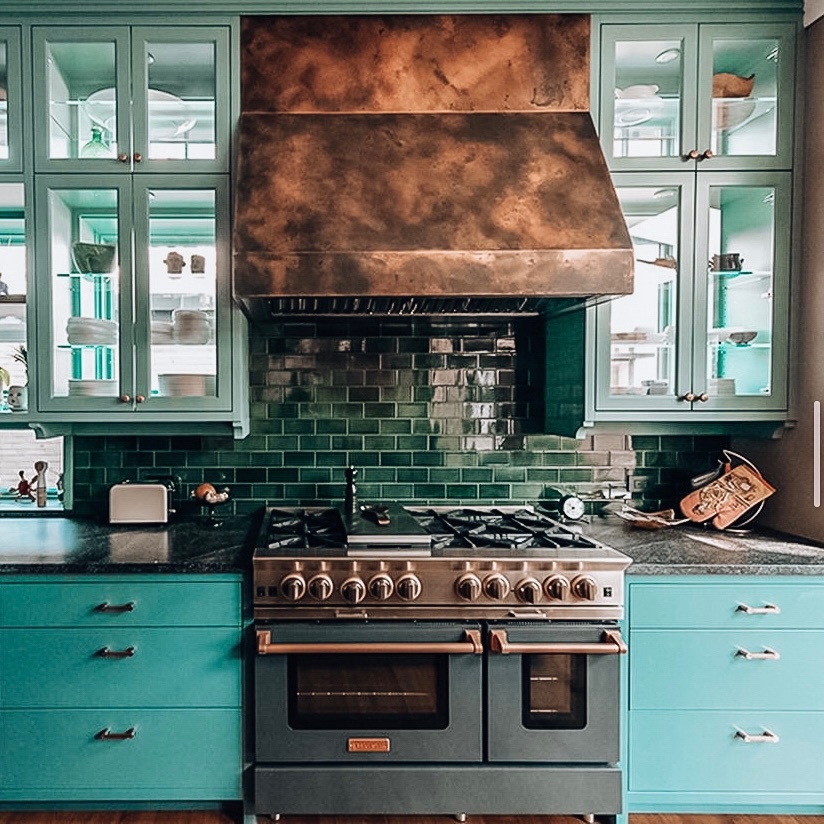
BlueStar's RNB line features open burners, including the UltraNova at 22,000 BTUs and the Nova at 15,000 BTUs. Their sealed burner models feature the exclusive X8 star-shaped burner, which reaches up to 25,000 BTUs at the top end and drops all the way down to 500 BTUs on the simmer side. That is an extraordinary range of control from a single burner, and it is a big part of why people who cook on BlueStar tend to stay loyal to it.
The open burner design is borrowed directly from the commercial world. Flame contacts the bottom of your cookware more directly and more evenly than a sealed burner allows, which means faster heat-up, more responsive adjustments, and better overall cooking performance. It also happens to be easier to clean, since the burner components lift right out.
Once you cook on an open burner at this output level, it is a little hard to go back.
High Heat Cooking: When Maximum BTU Output Shines
There are moments in cooking where having genuine high-heat power changes the outcome entirely, and searing is probably the clearest example. To get a real crust on a steak, a duck breast, or a beautiful piece of salmon, you need a pan that is screaming hot, and it needs to stay hot even after the protein hits the surface. Most home burners cannot quite get there, or they recover too slowly once the food goes in. BlueStar's output means your pan gets where it needs to be and stays there.
Wok cooking is another area where high BTUs are not just nice to have but genuinely necessary. The smoky, slightly charred quality that makes a great stir-fry what it is, sometimes called "wok hei," only comes from extremely high heat and fast movement. It is notoriously difficult to achieve on a standard residential burner. On a BlueStar, it is a totally different experience.
Rapid boils, quick reductions, and flash-sauteed vegetables all follow the same logic. More heat, faster results, better texture, and more flavour in the finished dish. It adds up.
Low and Slow: BlueStar's Precision Simmer Capability
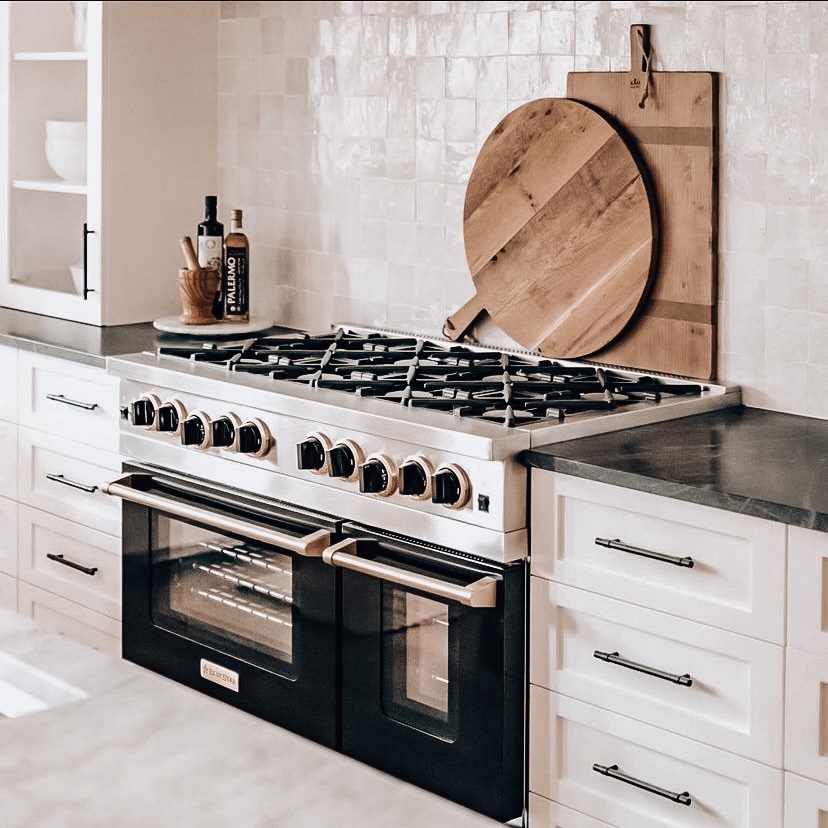
Here is where a lot of people are pleasantly surprised: the low end of BlueStar's heat range is just as impressive as the high end. That X8 sealed burner drops to 500 BTUs, which is about as low as any residential burner gets. It is a genuinely tiny flame, and for a lot of techniques, that matters enormously.
Holding a delicate pan sauce without breaking it, keeping melted chocolate fluid and glossy, or maintaining a long braise at the barest whisper of a simmer — these are the moments where 500 BTUs earns its keep. The difference between a burner that simmers at 1,500 BTUs and one that reaches 500 may not sound like a lot, but in practice, it is the difference between a sauce that holds beautifully and one that quietly overcooks while you are distracted by the rest of the meal.
The full range, from 500 to 25,000 BTUs, is what makes BlueStar such a well-rounded cooking tool. It is not just built for the dramatic moments. It handles the quiet, careful ones just as well.
BlueStar Burner Configurations: Matching Heat Distribution to Your Cooking Style
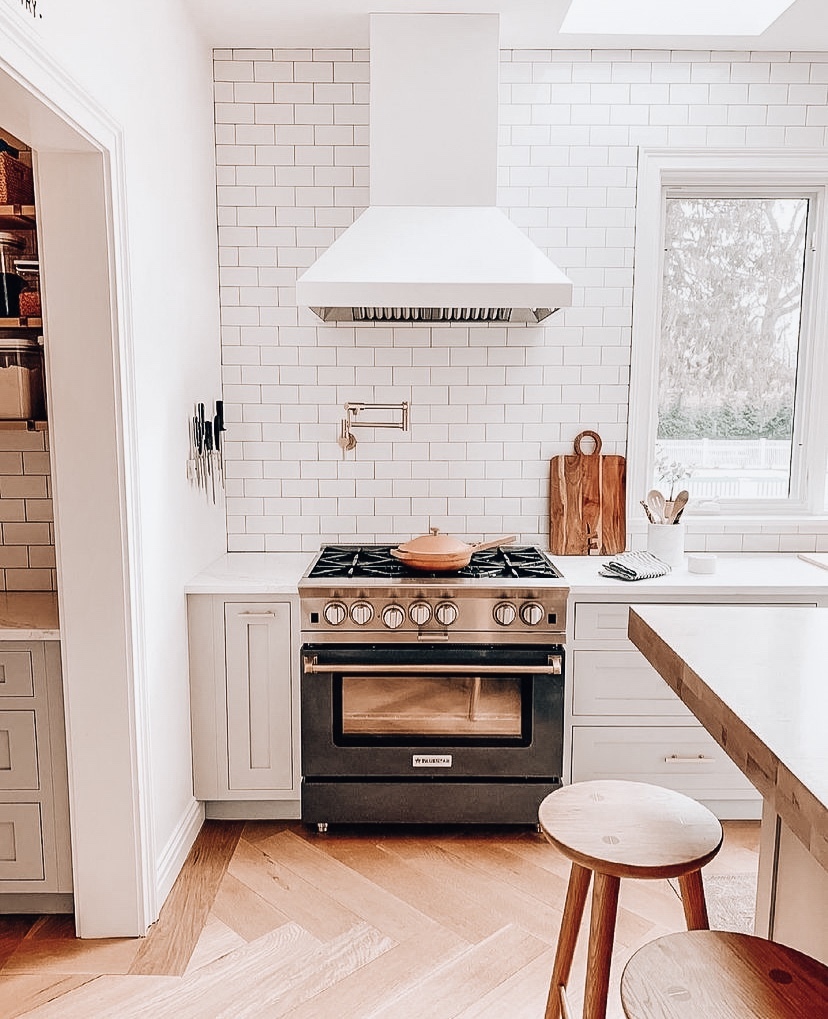
One of the things we love about BlueStar is how much freedom it gives you to build a cooktop around the way you actually cook. The RNB rangetop, for example, can be configured with integrated griddles, charbroilers, or a French top alongside the standard open burners. If you cook a lot of weekend breakfasts, love open-flame grilling, or frequently work with large flat-bottomed pans, these options make a real difference.
The French top, in particular, is worth knowing about. It is a thick steel surface that creates a range of heat zones radiating outward from a central burner, perfect for sauces, crepes, or gentle warming across multiple pieces of cookware at once. It has a very old-world, professional kitchen feel to it, and once people discover it, they wonder how they cooked without it.
On the range side, BlueStar's 30 and 36-inch models offer flexible burner layouts, and the dual fuel models pair that exceptional gas cooktop performance with an electric convection oven — a beautiful combination for anyone who loves to both cook and bake.
Energy Consumption and Operating Costs: What BlueStar's Power Means for Your Utility Bills
It is a fair question: does all that BTU power mean a higher gas bill? In practice, not meaningfully. High-output burners typically run at full power for short periods — you crank it up to bring water to a boil or get a sear going, and then you dial it back. Because BlueStar's simmer capability is so efficient at low output, the range actually spends quite a bit of cooking time running at very modest BTUs. The result is that operating costs are comparable to other quality gas ranges, and the speed of those rapid boils can actually save you time and energy compared to a lower-output range that takes longer to get there.
Do You Really Need 25,000 BTU? Determining the Right BlueStar Model for Your Kitchen
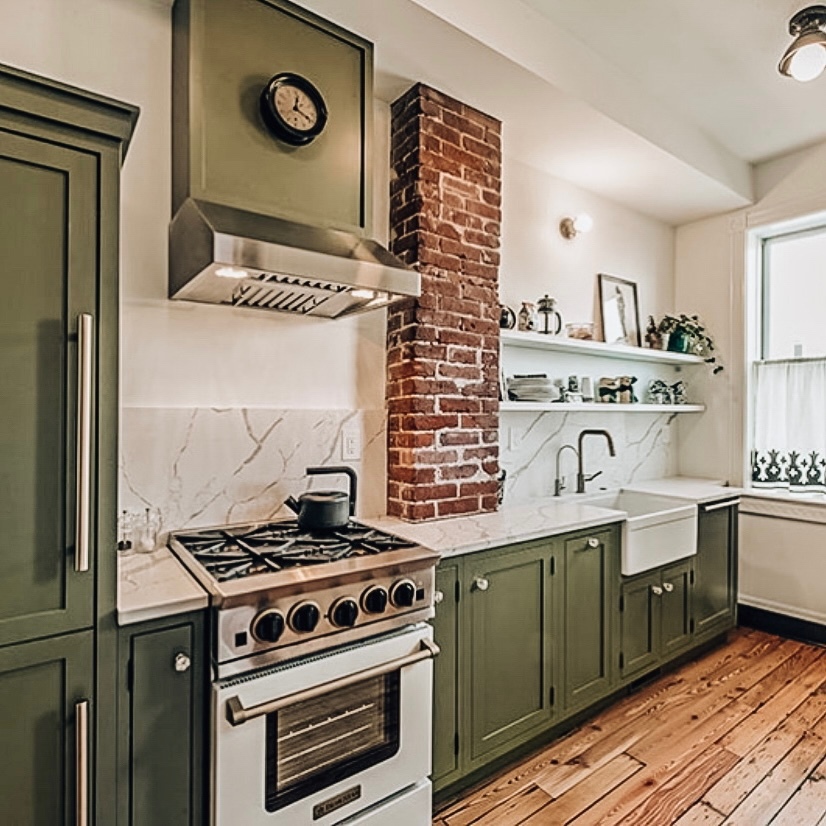
Honestly? Not everyone does, and that is perfectly fine. BlueStar's lineup is thoughtfully built to offer options across the output range, and the right choice really comes down to how you cook.
If you sear proteins regularly, love Asian cuisine, or frequently cook for a crowd, the higher output will make a noticeable difference in your day-to-day experience. If you tend toward braising, slow cooking, baking, and moderate stovetop work, a mid-range BlueStar configuration will serve you beautifully and feel like a genuine upgrade over almost anything you have cooked on before.
The best way to figure it out is simply to talk it through with someone who knows the lineup inside and out. That is exactly what we are here for. Reach out to us at Avenue Appliance — we would love to help you find the BlueStar that fits your kitchen, your cooking style, and the way you love to eat.