

For Edmonton bakers looking to elevate their dough game, the Ankarsrum mixer has been generating serious buzz. With its unique Swedish engineering and growing popularity in Canadian kitchens, many home bakers are wondering: how does it really compare to the classic stand mixers we're used to? To answer that question, we put the Ankarsrum up against a standard mixer in a head-to-head bake-off using a buttery brioche recipe. If you're curious about whether this European powerhouse is worth the investment, read on. And when you're ready to experience the Ankarsrum in person, visit Avenue Appliance in Edmonton for an in-store demo and expert advice.
Why Edmonton Bakers Are Curious About the Ankarsrum Mixer
The Rise of European Mixers in Canadian Kitchens
In recent years, European-made mixers like the Ankarsrum have begun to make a name for themselves in North America, particularly among avid bakers. Known for their durability, low-noise operation, and ability to handle hefty doughs, they’re becoming a popular alternative to traditional North American stand mixers.
What Makes Ankarsrum Stand Out from Standard Mixers
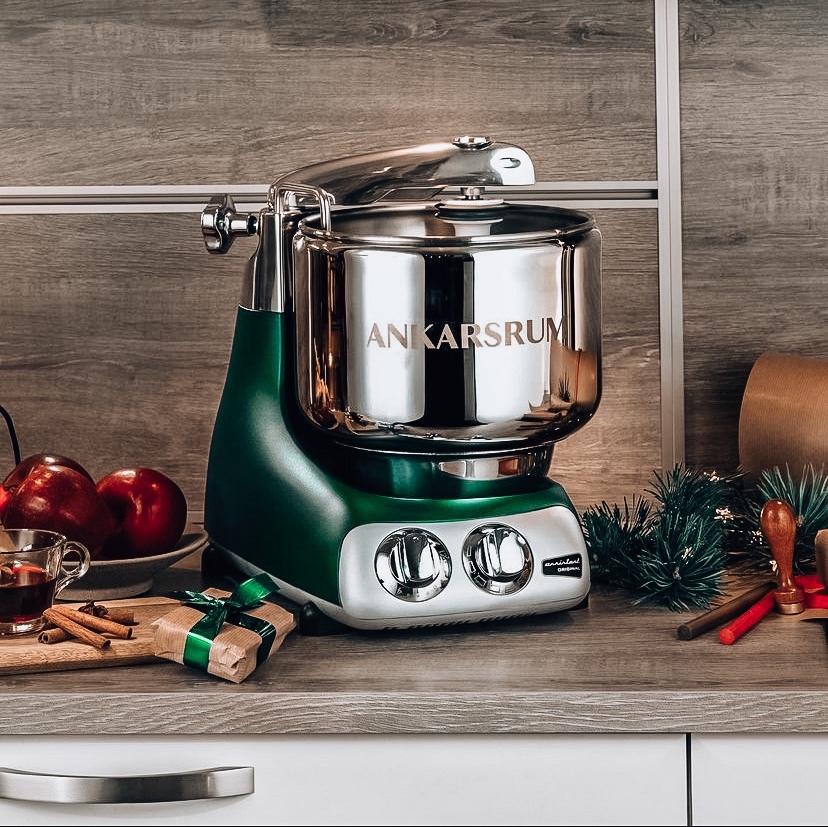
The Ankarsrum mixer is designed differently from most standard stand mixers. Instead of a top-mounted motor with a fixed bowl, it uses a rotating bowl and a fixed arm. This means it kneads more gently and mimics hand-kneading more closely, potentially leading to better gluten development and overall dough structure. It also boasts a larger bowl capacity and a wide range of optional attachments, making it one of the most versatile mixers available in Edmonton today.
The Bake-Off Setup: Ankarsrum vs Standard Mixer Test Conditions
Recipe Chosen: Buttery Brioche for a True Challenge
To put both mixers through their paces, we chose a rich, buttery brioche dough, known for its difficulty and demand on mixer motors. The recipe included six eggs, 200 grams of butter, and required a long mixing time, making it a great test of power and endurance.
Edmonton Kitchen Conditions and Equipment Used
Both mixers were tested in the same Edmonton kitchen on the same day to ensure consistent conditions. Ambient kitchen temperature sat at 21°C, with ingredients pre-measured and brought to room temperature for fairness.
Testing Criteria: Mixing, Baking, and Energy Use
Our side-by-side bake-off focused on key performance markers: ingredient absorption, mixing time, dough temperature, and ease of use. After mixing, we baked both batches and conducted a blind taste test, followed by an energy use comparison to assess efficiency.
Performance Breakdown: How the Ankarsrum Compared During Mixing
Ingredient Absorption and Mix Time Differences
The Ankarsrum mixer absorbed ingredients smoothly, even when butter was added all at once—a process that caused slight splashing and required scraping with the standard mixer. While the standard mixer reached proper consistency after 17 minutes, the Ankarsrum achieved it in just under 15 minutes, thanks to its more efficient kneading action.
Dough Temperature and Gluten Development Observations
The Ankarsrum’s open-top design and rotating bowl helped maintain a lower dough temperature, which is ideal for rich doughs like brioche. It also developed gluten more gradually, creating a stretchier, more elastic dough with minimal resistance from the motor. The standard mixer produced a slightly warmer dough, which could impact fermentation if not monitored.
Handling and Ease of Use Notes from an Edmonton Baker
Although the Ankarsrum mixer has a bit of a learning curve due to its unique design, it won points for stability (no walking across the counter!) and easy cleanup. Edmonton bakers noted how quiet and smooth the motor was, especially during longer mix sessions.
Baking and Taste Test Results from the Edmonton Kitchen

Rise and Crumb Structure Comparison
After proofing and baking, the Ankarsrum’s brioche showed a more consistent rise and even crumb structure. The standard mixer’s batch had slightly larger air pockets and a less uniform texture—still delicious, but not quite as refined.
Mouthfeel, Texture, and Overall Appearance
Taste testers in Edmonton described the Ankarsrum batch as lighter, more buttery, and with a smoother mouthfeel. The crust also browned more evenly, likely due to better dough development. The standard mixer brioche had a slightly denser chew and more rustic look.
Which Mixer Won Over the Taste Test Panel?
Out of ten testers, seven preferred the Ankarsrum’s brioche for its texture, even rise, and overall flavour. The remaining three still enjoyed the standard mixer’s loaf but noted it felt heavier and less refined.
Efficiency Check: Energy Usage and Batch Size Flexibility
Power Consumption in the Mixing Stage
Ankarsrum mixers use a lower wattage motor that relies on torque rather than brute power. During the mix, it consumed less electricity than the standard mixer despite performing just as well—if not better. This makes it an appealing option for energy-conscious bakers in Edmonton.
How Ankarsrum Performs with Large or Repeated Batches
One of the biggest advantages of the Ankarsrum mixer is its ability to handle large batches without overheating. While the standard mixer handled our test batch fine, it would likely struggle with back-to-back mixing. The Ankarsrum, on the other hand, barely broke a sweat.
Side-by-Side Comparison: Ankarsrum vs Standard Mixer in Everyday Baking
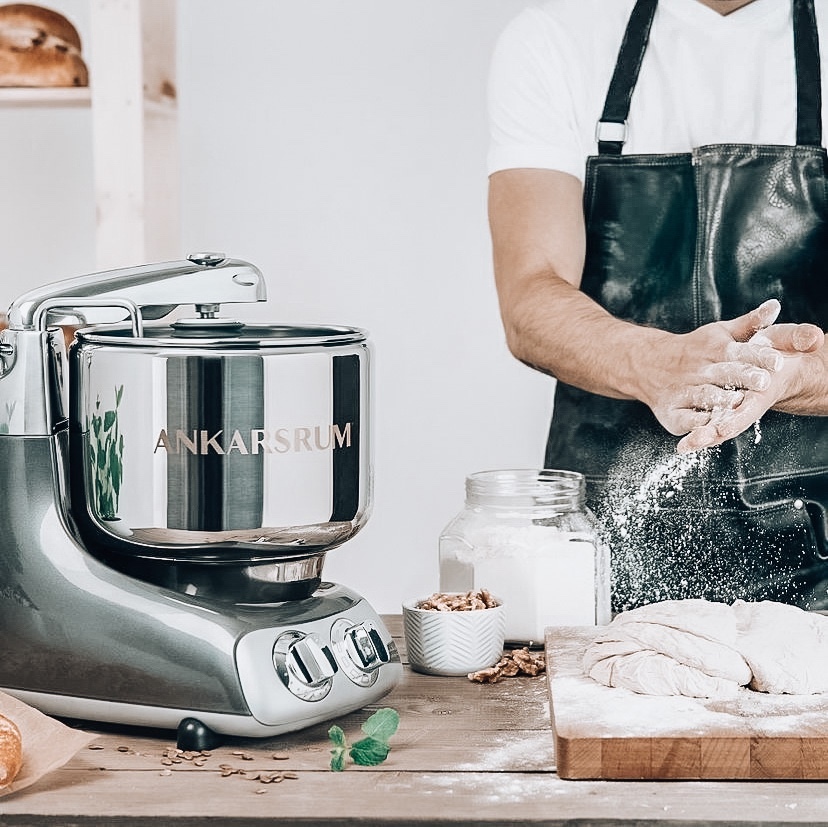
In our Edmonton kitchen test, the Ankarsrum mixer delivered slightly faster mixing times, finishing the brioche dough in about 15 minutes compared to the standard mixer’s 17 minutes. Thanks to its open-top design and bowl rotation, the Ankarsrum kept the dough cooler throughout the process, which is ideal for recipes with lots of butter or eggs.
When it came to the final loaf, the Ankarsrum-produced brioche had a finer, more even crumb and a noticeably lighter texture. The crust was evenly browned, and testers described the mouthfeel as softer and more delicate. By contrast, the standard mixer’s brioche had a denser texture and some larger air pockets.
Noise levels during mixing were lower with the Ankarsrum, and it ran more quietly even under a full load. In terms of energy efficiency, it consumed less electricity thanks to its torque-based motor, and it handled large or repeated batches effortlessly—something standard mixers can struggle with after extended use.
Cleanup was also easier with the Ankarsrum, with fewer crevices for dough to get stuck and a simpler bowl shape.
So, while both mixers performed well, the Ankarsrum edged ahead for its dough-handling finesse, energy efficiency, and ease of use—especially for more serious or frequent bakers in Edmonton.
Is the Ankarsrum Worth the Investment for Serious Bakers in Edmonton?
If you bake often and want a mixer that offers durability, efficiency, and top-tier results, the Ankarsrum is absolutely a strong contender. It may come with a higher price tag than standard mixers, but its performance in our Edmonton bake-off proved it’s built for the long haul.
So, the real question is—is it worth the dough? For many passionate home bakers, the answer is a resounding yes.
Try the Ankarsrum for Yourself at Avenue Appliance

Seeing is believing when it comes to kitchen tools, and the Ankarsrum is no exception. Stop by Avenue Appliance in Edmonton to see this European mixer in action. Our knowledgeable staff are happy to walk you through its features and help you decide if it's the right fit for your baking adventures.